Understanding the Most Common Sources of Energy for an EMP Attack
Explore the most common sources of energy for EMP attacks, including natural and artificial origins, and their potential impacts on infrastructure.

An electromagnetic pulse (EMP) attack represents a significant threat in today’s technologically driven world. An EMP is a burst of electromagnetic energy that can disrupt or damage electronic devices and electrical systems. This phenomenon can occur naturally, such as through solar flares or lightning strikes, but it can also be generated intentionally through various means, including nuclear detonations at high altitudes. Understanding the nature of EMP attacks is crucial for both individuals and governments as they navigate the complexities of modern security. The implications of an EMP attack are profound. (EMP) attack represents a significant threat in today’s technologically driven world. An EMP is a burst of electromagnetic energy that can disrupt or damage electronic devices and electrical systems. This phenomenon can occur naturally, such as through solar flares or lightning strikes, but it can also be generated intentionally through various means, including nuclear detonations at high altitudes. Understanding the nature of EMP attacks is crucial for both individuals and governments as they navigate the complexities of modern security. The implications of an EMP attack are profound.
A successful strike could incapacitate critical infrastructure, including power grids, communication networks, and transportation systems. The aftermath of such an event could lead to widespread chaos, as essential services become unavailable and the economy grinds to a halt. The potential for an EMP attack to cause long-term damage to electronic devices makes it a topic of increasing concern among security experts and policymakers alike. In essence, an EMP attack can be defined as a sudden release of electromagnetic energy that creates a surge capable of overwhelming electrical circuits. This surge can result in the destruction of sensitive electronics, rendering them inoperable.
As we delve deeper into the various sources of energy that can trigger these attacks, it becomes evident that both natural and man-made phenomena pose significant risks. By exploring these sources, we can better prepare for and mitigate the potential consequences of an EMP event.
What is an Electromagnetic Pulse (EMP)?
An electromagnetic pulse (EMP) is a burst of electromagnetic energy that can disrupt or damage electronic devices and electrical systems. This phenomenon can occur due to both natural and artificial sources, making it a significant concern for modern technology-dependent societies. To understand the implications of an EMP, it is essential to explore its characteristics and the various types that exist. An EMP can be characterized by its intensity, duration, and frequency spectrum.The effects of an EMP depend on these factors, as well as the distance from the source of the pulse.
Types of Electromagnetic Pulses
- Nuclear EMP: This type is generated by a nuclear explosion, particularly when detonated at high altitudes. The explosion releases gamma rays that interact with the Earth's atmosphere, creating a powerful electromagnetic field. This can affect a vast area, potentially disrupting electrical grids and communication systems over hundreds of miles.
- Non-Nuclear EMP: These pulses can be produced by conventional explosives or specialized devices designed to emit electromagnetic energy without nuclear reactions. Non-nuclear EMP weapons are often more localized in their effects but can still cause significant damage to electronic equipment.
-
Natural EMP: Natural occurrences such as solar flares and lightning strikes can also generate electromagnetic pulses.
Solar flares release bursts of radiation that can induce currents in power lines and disrupt satellite communications. Lightning strikes create a sudden surge of electromagnetic energy that can damage electrical systems and devices in their vicinity.
As technology continues to advance, the potential for both intentional and unintentional EMP events poses a growing risk to infrastructure and national security.
Natural Sources of EMPs
Natural sources of electromagnetic pulses (EMPs) are phenomena that can disrupt electrical systems and communications, often with little to no warning. Understanding these natural events is crucial for preparing against their potential impacts.Solar Flares
One of the most significant natural sources of EMPs is solar flares. These are intense bursts of radiation that occur when magnetic energy built up in the solar atmosphere is released. Solar flares can emit a wide range of electromagnetic radiation, including X-rays and ultraviolet light, which can travel through space and impact Earth. When a solar flare occurs, it can lead to a coronal mass ejection (CME), where a large cloud of charged particles is expelled from the sun's corona.If this cloud reaches Earth, it can interact with the planet's magnetic field, generating geomagnetic storms. These storms can induce electric currents in power lines and transformers, potentially leading to widespread electrical outages. The effects of solar flares on electrical systems can be severe. For instance, the Carrington Event of 1859 was a massive solar storm that caused telegraph systems to fail across North America and Europe. Modern technology is even more vulnerable; satellites, GPS systems, and power grids could all be affected by similar events today.
Lightning Strikes
Another natural source of EMPs is lightning strikes.When lightning occurs, it generates a powerful electromagnetic field that can produce a transient electromagnetic disturbance. This disturbance can affect nearby electronic devices and power systems. Lightning strikes create a rapid discharge of electricity that travels through the air and ground. The resulting electromagnetic pulse can induce voltages in electrical circuits, potentially damaging sensitive equipment. For example, a lightning strike can cause surges in power lines that may lead to equipment failure or even fires. To mitigate the risks associated with lightning-induced EMPs, many buildings and structures are equipped with lightning protection systems.
These systems are designed to safely redirect the energy from a lightning strike into the ground, minimizing damage to electrical systems. In conclusion, both solar flares and lightning strikes represent significant natural sources of EMPs that can disrupt electrical systems. Understanding these phenomena allows for better preparedness and protection strategies against their potentially damaging effects.
Artificial Sources of EMPs
Artificial sources of electromagnetic pulses (EMPs) are primarily designed to disrupt or destroy electronic systems and infrastructure. These man-made EMPs can be generated through various means, with the most notable being high-altitude nuclear detonations and specialized non-nuclear weapons.High-Altitude Nuclear Detonations
One of the most potent sources of an EMP is a high-altitude nuclear explosion (HANE). When a nuclear device is detonated at altitudes exceeding 30 kilometers (about 18 miles), it releases a burst of gamma radiation.This radiation interacts with the Earth's magnetic field, resulting in a powerful electromagnetic pulse that can cover vast geographical areas. The effects of a HANE can be catastrophic. The EMP generated can induce electrical currents in conductive materials, potentially damaging or destroying electrical grids, communication systems, and electronic devices over hundreds of miles. The intensity of the pulse diminishes with distance, but even at significant ranges, critical infrastructure can be severely affected.
Specialized Non-Nuclear EMP Weapons
In addition to nuclear sources, there are also specialized non-nuclear EMP weapons designed for tactical use. These devices utilize conventional explosives or other technologies to generate an electromagnetic pulse without the destructive fallout associated with nuclear detonations.Non-nuclear EMP weapons can be deployed in various scenarios, including military operations and targeted strikes against specific electronic systems. These weapons typically function by rapidly discharging energy in a focused manner, creating a localized EMP effect. This can incapacitate enemy electronics, disrupt communications, and disable vehicles without causing widespread physical destruction. The precision of non-nuclear EMP weapons makes them attractive for military applications where minimizing collateral damage is essential.
Potential Implications
The implications of artificial EMP sources are profound. A successful EMP attack could cripple critical infrastructure, leading to chaos and disruption in modern society.Power grids could fail, emergency services could be rendered ineffective, and communication networks could collapse. As such, understanding these artificial sources is crucial for developing effective countermeasures and enhancing national security. In conclusion, both high-altitude nuclear detonations and specialized non-nuclear weapons represent significant threats as sources of artificial EMPs. Their potential to disrupt electronic systems underscores the importance of preparedness and resilience in our technological infrastructure.
High-Altitude Nuclear Detonations as a Source of EMP
High-altitude nuclear detonations represent one of the most significant sources of electromagnetic pulses (EMPs), capable of causing widespread disruption to electrical and electronic systems. When a nuclear weapon is detonated at a high altitude, typically above 30 kilometers (about 18 miles), the explosion generates a burst of gamma radiation.This radiation interacts with the Earth's atmosphere, producing a cascade of secondary particles that create a powerful electromagnetic field. The mechanics behind this phenomenon can be understood through the concept of the Compton effect, where gamma rays collide with air molecules, knocking out electrons and creating a shower of charged particles. This process results in three distinct components of EMP: the E1, E2, and E3 pulses. Each component has different characteristics and impacts:
- E1 Pulse: This is the initial and most intense burst, lasting only a few nanoseconds. It can induce high-voltage surges in electrical circuits, potentially damaging or destroying sensitive electronic devices.
-
E2 Pulse: Similar to lightning strikes, this pulse lasts longer than E1 but is less intense.
However, it can still cause significant disruptions to systems that have already been compromised by the E1 pulse.
- E3 Pulse: This component resembles a geomagnetic storm and can last for several minutes. It primarily affects long electrical lines and transformers, leading to potential grid failures.
- Widespread Blackouts: The immediate aftermath could see entire regions plunged into darkness as power plants shut down and grid systems fail.
- Communication Failures: Cellular networks, satellite communications, and internet services could be disrupted, isolating communities and hampering emergency response efforts.
- Economic Disruption: The cascading effects on businesses reliant on technology could lead to significant economic losses, affecting everything from banking to supply chains.
Understanding the mechanics and potential impacts of such attacks is crucial for developing effective mitigation strategies to protect against these threats.
Conventional Munitions and Their Role in EMP Attacks
In the realm of electromagnetic pulse (EMP) attacks, conventional munitions play a pivotal role in generating EMP effects without resorting to nuclear detonations. These non-nuclear EMP weapons are designed to disrupt electronic systems and infrastructure, making them a significant concern for national security and military operations.Understanding Conventional EMP Munitions
Conventional munitions that produce EMP effects typically utilize high-energy explosives or specialized devices that create a rapid release of electromagnetic energy. Unlike nuclear EMPs, which can have widespread and catastrophic consequences, conventional EMP weapons are often more targeted in their application.
Types of Conventional EMP Technologies
- Explosive-driven EMP Generators: These devices use conventional explosives to compress a magnetic field, resulting in a burst of electromagnetic energy. The rapid change in the magnetic field generates an EMP that can incapacitate nearby electronic systems.
-
Microwave Weapons: High-power microwave (HPM) weapons are designed to emit focused beams of microwave energy.
When directed at electronic targets, these weapons can cause immediate damage to circuits and systems, effectively rendering them inoperable.
- Railguns and Coilguns: These advanced military technologies utilize electromagnetic forces to launch projectiles at high speeds. While primarily designed for kinetic impact, the rapid acceleration can also generate localized EMP effects that disrupt electronics.
Military Applications and Strategic Use
The military has recognized the potential of conventional munitions for EMP applications in various scenarios. For instance, during conflicts where electronic warfare is prevalent, deploying non-nuclear EMP weapons can provide a tactical advantage by disabling enemy communications and surveillance systems without causing collateral damage associated with traditional explosives. Moreover, the development of these technologies is often shrouded in secrecy due to their strategic implications. As nations invest in enhancing their military capabilities, understanding the role of conventional munitions in EMP attacks becomes crucial for both defense planning and countermeasures.
Conclusion
The evolution of conventional munitions designed for EMP effects highlights a growing trend in modern warfare.
As technology advances, the potential for these non-nuclear weapons to disrupt critical infrastructure poses significant challenges for national security. Awareness and preparedness against such threats are essential for safeguarding electronic systems from the devastating impacts of EMP attacks.
Directed Energy Weapons: A New Frontier in EMP Technology
In recent years, directed energy weapons (DEWs) have emerged as a significant advancement in military technology, particularly concerning their potential to generate electromagnetic pulses (EMPs). Unlike traditional weapons that rely on kinetic energy or explosive force, DEWs utilize focused energy to incapacitate or destroy targets. This section delves into how these innovative systems operate and their implications for future conflicts.Understanding Directed Energy Weapons
Directed energy weapons encompass a range of technologies, including lasers, microwave systems, and particle beams.
These systems can emit concentrated energy in the form of electromagnetic radiation, which can disrupt or damage electronic systems. The ability of DEWs to produce EMP effects stems from their capacity to generate intense electromagnetic fields that can interfere with electronic devices over a wide area.
Mechanisms of EMP Generation
- Microwave Weapons: These systems emit high-powered microwave (HPM) pulses that can induce currents in electrical circuits, leading to malfunctions or permanent damage. The frequency and intensity of the microwaves can be adjusted to target specific types of electronics.
- Laser Systems: While primarily designed for precision targeting, certain laser systems can also create EMP effects by rapidly heating materials and causing electrical surges in nearby electronics.
- Particle Beam Weapons: These advanced systems accelerate charged particles to high velocities and direct them at targets. The interaction of these particles with electronic components can result in significant disruptions.
The Future of EMP Attacks
The evolution of directed energy weapons signals a shift in military strategy and tactics.
As nations invest in these technologies, the potential for EMP attacks using DEWs becomes increasingly plausible. Unlike traditional nuclear EMPs, which require significant infrastructure and resources, non-nuclear directed energy devices can be more easily deployed and utilized in various scenarios.
This shift raises critical questions about the future of warfare. As DEWs become more prevalent, the risk of EMP attacks on civilian infrastructure also increases. The ability to incapacitate communication networks, power grids, and transportation systems without physical destruction presents a new kind of threat that could be employed in asymmetric warfare.
Conclusion
The development of directed energy weapons represents a new frontier in EMP technology.
As these systems continue to advance, understanding their capabilities and implications will be crucial for national security and defense strategies. Preparing for the potential use of DEWs in conflict scenarios is essential to mitigate their impact on both military operations and civilian life.
The Impact of EMP Attacks on Infrastructure
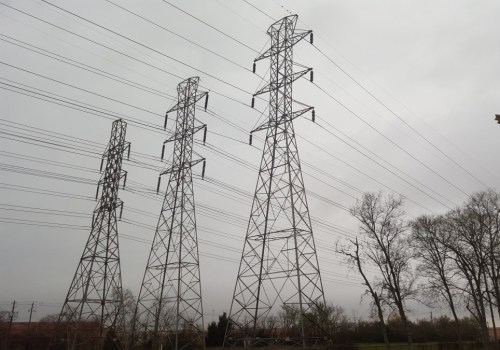
Electromagnetic pulse (EMP) attacks pose a significant threat to critical infrastructure, with the potential to disrupt essential services that society relies on daily. Understanding the effects of EMP attacks is crucial for developing effective strategies to mitigate their impact. One of the most vulnerable components of our infrastructure is the electrical power grid. An EMP can induce high-voltage surges that may damage transformers, substations, and other critical equipment.The cascading effects of such damage can lead to widespread blackouts, leaving millions without power for extended periods. The recovery process can be lengthy and costly, as specialized equipment may need to be replaced or repaired. In addition to power grids, communication systems are also at risk. Modern communication relies heavily on electronic devices and networks, which are susceptible to EMP interference. An attack could incapacitate cellular networks, internet services, and satellite communications, crippling emergency response efforts and disrupting everyday communication.
This loss of connectivity can hinder coordination during crises and delay recovery efforts. Transportation systems are another area of concern. Traffic control systems, including signals and monitoring devices, depend on electronic components that could be rendered inoperable by an EMP. This could lead to chaotic traffic conditions, increased accidents, and challenges in transporting goods and services. Furthermore, aviation systems that rely on electronic navigation and communication could face severe disruptions, posing risks to air travel safety. To protect against the vulnerabilities posed by EMP attacks, it is essential to implement robust protective measures.
Hardening infrastructure against EMP effects involves using shielding techniques and surge protection devices to safeguard critical components. Regular assessments and updates of existing systems can help identify weaknesses and enhance resilience. Moreover, developing contingency plans is vital for ensuring a swift response in the event of an EMP attack. These plans should include protocols for restoring power and communication services quickly while ensuring public safety. Training personnel in emergency response procedures can further bolster preparedness. In conclusion, the potential consequences of EMP attacks on infrastructure are profound and far-reaching.
By understanding these vulnerabilities and taking proactive measures to protect against them, we can enhance the resilience of our critical systems and ensure that society remains functional even in the face of such threats.
Protective Measures Against EMP Attacks
Protecting against the devastating effects of an EMP attack requires a multifaceted approach that combines engineering solutions with practical preparedness strategies. Understanding the nature of EMPs and their potential impact on electrical systems is crucial for developing effective protective measures.1.Engineering Solutions
- Faraday Cages: One of the most effective methods for shielding electronic devices from EMP effects is the use of Faraday cages. These enclosures, made from conductive materials, can block external electromagnetic fields. By placing critical electronics inside a Faraday cage, you can significantly reduce the risk of damage during an EMP event.
-
Surge Protectors: Installing high-quality surge protectors can help safeguard sensitive equipment from voltage spikes caused by an EMP.
These devices can absorb excess energy and prevent it from reaching your electronics.
- Shielded Cabling: Using shielded cables for electrical wiring can minimize the risk of induced currents from an EMP. This involves using cables that have a conductive layer surrounding them, which helps to dissipate electromagnetic energy.
- Grounding Systems: Proper grounding of electrical systems is essential in mitigating the effects of an EMP. A well-designed grounding system can provide a safe path for excess energy to dissipate into the earth, reducing the likelihood of damage to connected devices.
2.Preparedness Strategies
- Emergency Kits: As part of your preparedness plan, assemble emergency kits that include essential items such as flashlights, batteries, and non-perishable food. Ensure that you have backup power sources, like solar chargers, to keep critical devices operational in the aftermath of an EMP event.
-
Training and Drills: Conduct regular training sessions and drills with your family or organization to ensure everyone knows how to respond in the event of an EMP attack.
Familiarity with emergency protocols can save lives and reduce panic during a crisis.
- Community Preparedness: Engage with local community groups to develop collective strategies for EMP preparedness. Sharing resources and knowledge can enhance resilience against potential attacks.
Conclusion: The Importance of Understanding EMP Sources and Effects
In summary, understanding the various sources of electromagnetic pulse (EMP) attacks is crucial for enhancing our preparedness and resilience against potential disruptions. Throughout this article, we have explored both natural and artificial origins of EMPs, highlighting their significant implications for modern society. Natural sources, such as solar flares and lightning strikes , can unleash powerful electromagnetic energy that disrupts electrical systems and communications.Solar flares, in particular, pose a unique threat due to their ability to affect large areas of the Earth, potentially leading to widespread outages. Lightning strikes, while more localized, can still cause severe damage to infrastructure and electronic devices. On the other hand, artificial sources of EMPs, including high-altitude nuclear detonations and specialized non-nuclear weapons, present a more deliberate threat. These attacks can incapacitate critical infrastructure within seconds, leading to chaos and disruption in daily life. The potential for such attacks underscores the importance of national security measures and the need for robust defense strategies. Moreover, understanding the mechanisms behind EMPs allows us to develop effective mitigation strategies.
By investing in electromagnetic compatibility (EMC) engineering and implementing protective measures for our electrical grids and communication systems, we can significantly reduce the risk of damage from both natural and artificial EMP events. As we move forward in an increasingly technology-dependent world, it is imperative that individuals, businesses, and governments prioritize awareness and preparedness regarding EMP threats. This includes educating the public about the risks associated with EMPs and promoting resilience through infrastructure improvements and emergency response planning. In conclusion, a comprehensive understanding of EMP sources—both natural and man-made—is essential for safeguarding our technological landscape. By recognizing these threats and taking proactive steps to mitigate their effects, we can better protect our society from the potentially devastating consequences of an EMP attack.